Speeding Up Production with Smart Workholding Fixture Designs
The Importance of Workholding Fixtures in CNC Machining
Understanding Workholding Fixtures and Their Role
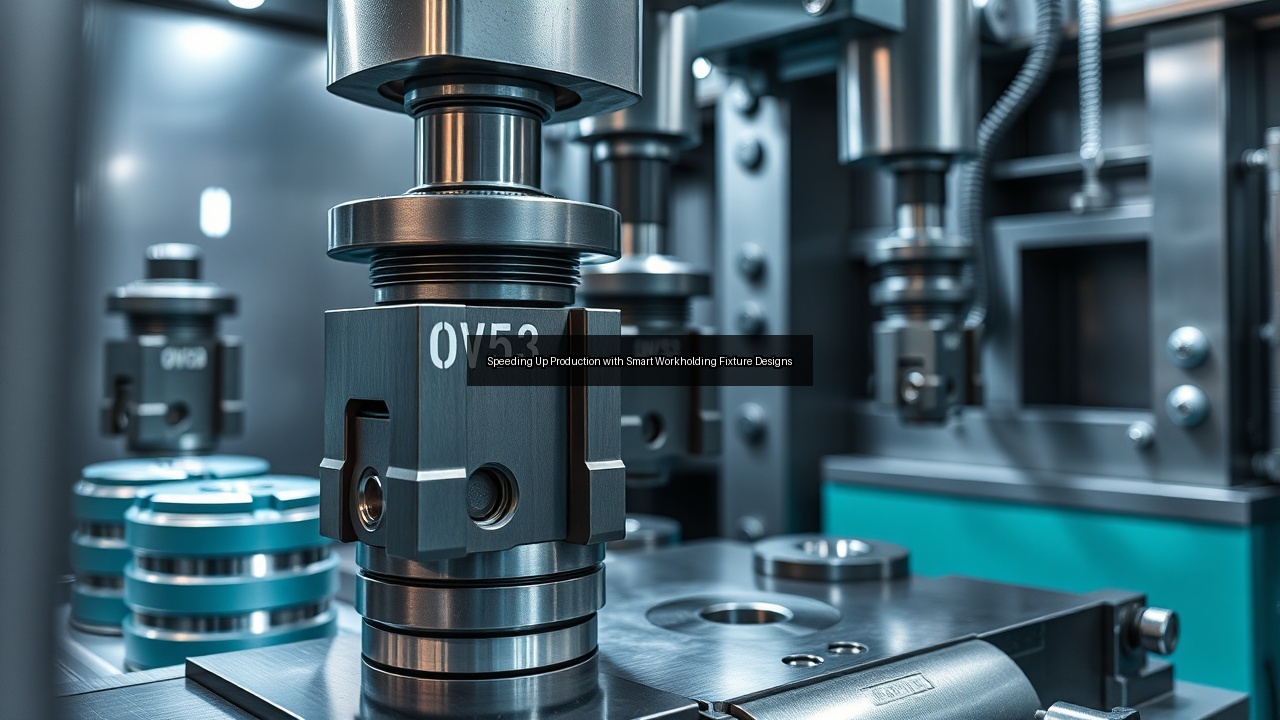
Workholding fixtures serve a critical function in CNC machining, providing the necessary support to secure workpieces during various machining operations such as milling, drilling, and turning. These fixtures ensure that the workpieces remain stable and accurately positioned, allowing CNC machine tools to execute precise cuts and operations. Without reliable workholding fixtures, achieving the desired accuracy and repeatability in the machining process becomes nearly impossible, leading to errors, rework, and wasted materials. Effective workholding solutions contribute significantly to overall productivity by reducing cycle times and enhancing efficiency in the fabrication process. The right fixture design mitigates vibration and movement, ensuring that the machining process maintains consistent tolerances and surface finishes, which ultimately impacts the quality of the final product.
Types of Workholding Solutions: Jigs and Fixtures
Within the realm of workholding solutions, jigs and fixtures represent two primary categories tailored to specific machining tasks. Jigs typically guide tools, ensuring that they operate in the correct position. They enhance drilling and milling processes by providing a template, which increases accuracy and reduces setup time. Fixtures, on the other hand, are more focused on securely holding the workpiece in place. Various types of fixtures, including hydraulic, vacuum, and mechanical options, each have their unique advantages. Hydraulic fixtures use fluid power to apply force and can accommodate irregular shapes, while vacuum fixtures rely on suction to hold flat workpieces securely. This variety allows manufacturers to select the most effective solution based on the specific requirements of their CNC machine tools and the materials being processed, optimizing both speed and precision.
The Impact of Accurate Fixtures on Workflow Efficiency
Accurate workholding fixtures significantly enhance workflow efficiency in CNC machining environments. When fixtures are designed and engineered to provide optimal stability and alignment, they minimize downtime associated with setup changes and adjustments. Consistent accuracy translates to shorter production cycles, enabling manufacturers to meet tight deadlines while maintaining high-quality standards. Furthermore, well-designed fixtures facilitate easier loading and unloading of workpieces, streamlining operations and reducing labor costs. The ripple effect of efficiency in workholding extends beyond individual machining tasks; it influences the overall productivity of the manufacturing process. As companies increasingly adopt lean manufacturing principles, the role of precise workholding fixtures becomes even more pronounced. By investing in advanced fixture designs, manufacturers can achieve substantial gains in both speed and accuracy, positioning themselves competitively in the market.
Innovative Designs for Enhanced Production Speed
Advancements in Hydraulic and Vacuum Workholding Technologies
Innovations in hydraulic and vacuum workholding technologies have transformed the landscape of CNC machining. Hydraulic fixtures offer versatility and power, allowing manufacturers to handle complex geometries and heavy workpieces with ease. By utilizing hydraulic clamps, these fixtures apply consistent force to secure the workpiece firmly, reducing the risk of movement during machining operations. Vacuum workholding, on the other hand, excels in applications involving flat or thin materials. The ability to create a vacuum seal ensures that workpieces remain stable, enabling high-speed machining with minimal risk of distortion. Both technologies contribute to faster setup times and reduced cycle times, ultimately driving production speed. As CNC machine tools continue to evolve, the integration of these advanced workholding solutions becomes essential for manufacturers aiming to enhance their operational efficiency and throughput.
Utilizing Automation in Fixture Design
Automation in fixture design plays a pivotal role in modern CNC machining. Automated workholding systems can adapt to various machining processes without manual intervention, increasing overall production speed. Manufacturers can implement automated fixtures that adjust positions or configurations based on the specific requirements of each job, minimizing downtime associated with setup changes. Automation also enhances precision, as computer-controlled systems ensure that workpieces are held in the exact position needed for optimal machining. Furthermore, the integration of sensors and monitoring systems enables real-time adjustments, maintaining accuracy throughout the machining process. This capability significantly reduces the risk of errors and improves the overall quality of the manufactured product. As automation technology advances, its application in workholding fixtures will continue to evolve, driving further improvements in speed and efficiency across the manufacturing landscape.
Integrating FDM and SLS Techniques for Custom Fixtures
Integrating Fused Deposition Modeling (FDM) and Selective Laser Sintering (SLS) techniques in the design of custom workholding fixtures revolutionizes the way manufacturers approach tooling. FDM offers a cost-effective solution for creating prototypes and low-volume fixtures, allowing for rapid iteration and adjustment based on performance feedback. In contrast, SLS provides the ability to produce highly durable fixtures that can withstand the rigors of CNC machining processes. The flexibility of additive manufacturing enables the creation of lightweight, complex geometries that traditional machining methods cannot achieve, enhancing the functionality of workholding fixtures. By utilizing these advanced techniques, manufacturers can design fixtures tailored to their specific needs, improving workflow and reducing production time. The ability to quickly adapt and produce customized fixtures gives companies a competitive edge in a fast-paced manufacturing environment, allowing them to respond to market demands efficiently.
Cost-Effective Strategies for Workholding Fixture Implementation
Evaluating Pricing Models for Workholding Tools
When implementing workholding fixtures, evaluating pricing models is crucial for ensuring cost-effectiveness. Manufacturers face various options, from purchasing standard fixtures to investing in custom solutions developed specifically for their operations. Understanding the long-term return on investment (ROI) associated with each model is essential. While standard fixtures may offer immediate cost savings, custom fixtures designed for specific machining processes can enhance accuracy and efficiency, ultimately leading to lower operational costs. Manufacturers should consider factors such as setup time, labor costs, and potential material waste when assessing the value of workholding tools. This thorough analysis enables businesses to make informed decisions that balance upfront costs with the long-term benefits of improved productivity and decreased cycle times.
Balancing Cost and Accuracy in Fixture Design
Balancing cost and accuracy in fixture design requires strategic planning and a clear understanding of production goals. Low-cost fixtures may seem appealing initially, but they can compromise accuracy and lead to increased rework and material waste. Investing in high-quality fixtures that ensure precise workpiece placement can enhance overall efficiency and product quality. Manufacturers must evaluate their specific requirements and the types of workpieces being machined. For instance, high-precision industries such as aerospace demand fixtures that maintain stringent tolerances, justifying higher initial costs. By focusing on the long-term benefits of accuracy, manufacturers can develop a cost-effective strategy that minimizes errors and enhances workflow efficiency.
Case Studies: Successful Fixture Implementations in Aerospace Manufacturing
Case studies highlight the successful implementation of workholding fixtures in aerospace manufacturing, showcasing their impact on production speed and quality. One notable example involves a manufacturer that integrated advanced hydraulic fixtures to handle complex components. This transition reduced setup times by over 30%, allowing for a significant increase in throughput. Another case study illustrates the use of custom vacuum fixtures in a facility specializing in lightweight materials. These fixtures improved part stability during machining, resulting in a 20% reduction in cycle times. Such implementations demonstrate that investing in innovative workholding fixtures pays off, driving efficiency and accuracy in high-stakes environments like aerospace. These examples provide valuable insights for manufacturers looking to enhance their workholding strategies and achieve similar gains in productivity.