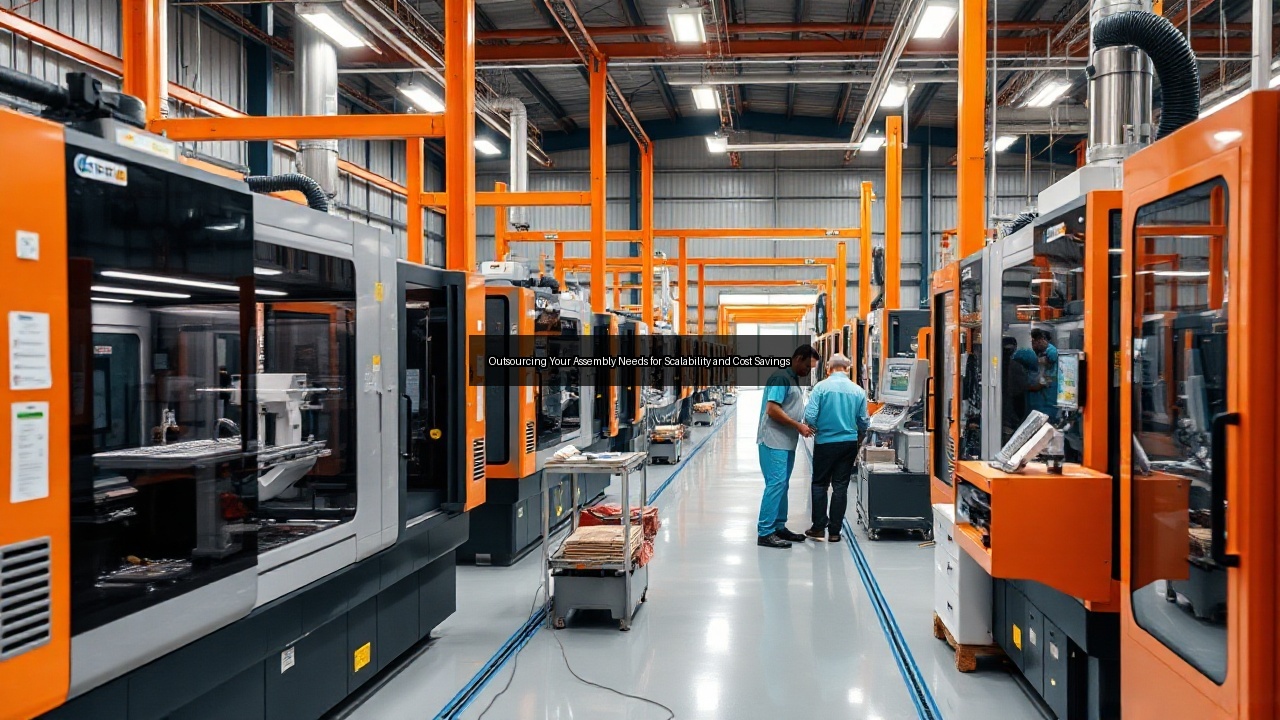
Outsourcing Your Assembly Needs for Scalability and Cost Savings
Understanding Contract Assembly Services
What Are Contract Assembly Services?
Contract assembly services involve outsourcing the assembly of products to specialized manufacturers. This approach allows companies to focus on their core competencies while benefiting from the expertise of contract manufacturers. These services typically encompass various stages of the assembly process, including sourcing components, assembly, quality control, and even logistics management. By leveraging the capabilities of a contract assembly provider, companies can scale production without the burdens of investing in in-house facilities or labor. This arrangement also facilitates quicker market entry and enhances overall operational efficiency.
Benefits of Outsourcing Assembly Needs
Outsourcing assembly needs to a contract manufacturer provides numerous advantages. First, it significantly reduces operational costs. Companies save on labor, materials, and overhead associated with maintaining in-house assembly lines. Second, contract assembly services offer access to specialized expertise and advanced technologies, enhancing product quality and innovation. Third, scalability becomes more manageable; businesses can increase or decrease production volumes depending on market demand without the risks associated with fixed costs. Finally, the agility gained through outsourcing allows companies to focus on strategic initiatives, such as product development and marketing, rather than day-to-day manufacturing challenges.
Key Industries Utilizing Contract Assembly
Various industries benefit from contract assembly services, including electronics, automotive, consumer goods, and medical devices. In electronics, manufacturers outsource complex assembly tasks to ensure precision and efficiency, often employing advanced techniques like surface mount technology (SMT). The automotive sector relies on contract assembly for components like wiring harnesses and dashboard assemblies, where quality and speed are paramount. Consumer goods companies frequently outsource assembly to reduce production costs while maintaining high standards for quality control. Medical device manufacturers utilize contract assembly services to navigate regulatory requirements and ensure that products meet ISO 9001 standards, which are crucial for safety and effectiveness.
Choosing the Right Contract Assembly Partner
Evaluating Manufacturer Expertise
When selecting a contract assembly partner, evaluating the manufacturer's expertise is critical. Look for a provider with a proven track record in your industry, as familiarity with specific challenges can streamline the assembly process. Consider the manufacturer's experience with similar products and their capacity to handle your unique designs. Additionally, assess their technical capabilities, such as proficiency in engineering and assembly techniques. Companies should also inquire about certifications, such as ISO 9001, which indicate a commitment to quality management and continuous improvement. Engaging with an expert contract manufacturer can significantly enhance the efficiency and reliability of your assembly operations.
Assessing Quality Control and ISO 9001 Standards
Quality control stands as a cornerstone of successful contract assembly services. Ensure that your chosen manufacturer adheres to strict quality control measures and holds relevant certifications, such as ISO 9001. This internationally recognized standard demonstrates a commitment to maintaining consistent quality and continuous improvement in processes. A robust quality control system should include regular inspections, testing, and feedback loops to catch issues early in the assembly process. By prioritizing quality, businesses can mitigate risks associated with defective products, reduce return rates, and contract assembly company enhance customer satisfaction, ultimately leading to stronger brand loyalty.
Cost Considerations in Contract Manufacturing
Cost is a significant factor when selecting a contract assembly provider. Understand that while outsourcing can lead to substantial savings, not all contract manufacturers offer the same pricing structures. Evaluate the total cost of ownership, which includes not only the assembly fees but also logistics, packaging, and any additional services provided. Request detailed quotes from multiple contract assembly companies to compare costs transparently. Additionally, consider the potential long-term savings associated with improved efficiency and reduced overhead. Striking a balance between cost and quality will ensure your assembly needs are met without compromising the standards of your final product.
Streamlining Your Assembly Process for Scalability
Integrating Lean Manufacturing Principles
Integrating lean manufacturing principles into your assembly process can significantly enhance scalability and efficiency. Lean manufacturing focuses on minimizing waste while maximizing productivity, which is crucial for businesses looking to expand. By collaborating with your contract assembly provider to implement lean strategies, you can streamline workflows, reduce lead times, and improve overall efficiency. Techniques such as value stream mapping and just-in-time inventory management can help identify bottlenecks and eliminate non-value-added contract assembly company activities. This proactive approach not only boosts scalability but also results in cost savings, making it an attractive option for companies considering outsourcing their assembly needs.
The Role of Engineering in Efficient Assembly
Engineering plays a vital role in achieving efficient assembly processes. A skilled engineering team collaborates with the contract manufacturer to optimize designs for manufacturability, ensuring that products can be assembled quickly and accurately. This collaboration often involves prototyping and fabrication, allowing for real-time adjustments to improve efficiency. Additionally, engineers can identify assembly challenges early in the process, reducing the risk of costly errors. By prioritizing engineering in your outsourcing strategy, you enhance the potential for successful product launches and long-term scalability.
Logistics and Packaging Solutions from Contract Assembly Providers
Logistics and packaging solutions provided by contract assembly manufacturers can significantly impact the overall efficiency of your assembly process. Many contract assembly companies offer integrated logistics services, ensuring that components arrive on time and in optimal condition for assembly. Effective packaging solutions also play a crucial role in protecting products during transit and storage. Custom packaging designed specifically for your product can minimize damage and facilitate easier handling during assembly. By leveraging these logistics and packaging capabilities, companies can enhance their scalability while maintaining high standards of quality and efficiency.
Onboarding and Collaboration with Your Contract Manufacturer
Best Practices for Onboarding
Successful onboarding of a contract assembly provider sets the stage for a productive partnership. Begin by clearly defining expectations and objectives for the relationship. Establish open lines of communication to facilitate information sharing and collaboration. Provide the contract manufacturer with comprehensive documentation, including designs, specifications, and quality standards, to ensure alignment from the start. Regular check-ins during the onboarding phase allow for addressing any issues promptly, fostering a culture of transparency and collaboration. By investing time and effort in the onboarding process, companies can lay a strong foundation for a successful long-term partnership.
Design Collaboration for Prototyping and Fabrication
Design collaboration with your contract manufacturer significantly enhances the efficiency of prototyping and fabrication. Engaging in joint design sessions allows both parties to identify potential challenges and opportunities early in the process. This collaborative approach leads to better-informed decisions regarding provide contract assembly services materials, assembly techniques, and quality control measures. By working together, companies and contract manufacturers can refine designs to ensure manufacturability and scalability. The result is a smoother transition from prototype to production, reducing time-to-market and enhancing the overall effectiveness of the assembly process.
Long-term Partnerships for Continuous Improvement
Establishing long-term partnerships with contract assembly providers fosters an environment of continuous improvement. Regular performance reviews and feedback sessions help identify areas for enhancement and innovation. By collaborating on process improvements, companies and manufacturers can optimize efficiency, reduce costs, and maintain high-quality standards. A commitment to continuous improvement ensures that both parties adapt to changing market conditions and evolving customer needs. Investing in a strong, collaborative relationship with your contract manufacturer not only benefits the assembly process but also contributes to the long-term success of your business.