A Deep Dive into HMC Machining and Its Impact on Gear Fabrication
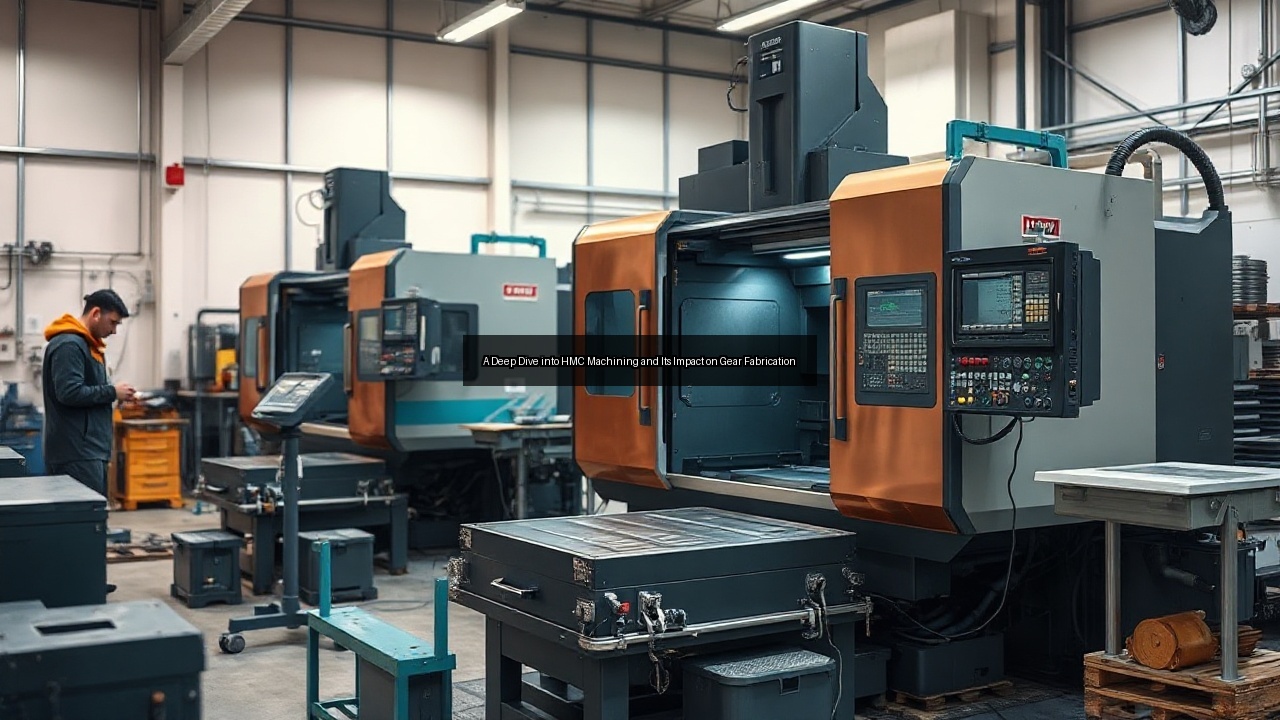
Understanding HMC Machining: The Backbone of Modern Gear Fabrication
What is HMC Machining?
HMC machining, or horizontal machining center machining, represents a pivotal advancement in the world of gear fabrication and metalworking. This process employs horizontal machining centers, which allow for the efficient removal of material from workpieces. Unlike traditional vertical milling machines, HMCs orient the spindle horizontally. This design significantly enhances chip removal, crucial for maintaining precision during the machining process. The efficiency of HMC machining services lies in its ability to handle complex geometries with ease, making it an ideal choice for producing intricate gear profiles. The horizontal orientation also permits better access for tool changes and setup adjustments, leading to a streamlined workflow within the machine shop.
Key Components of HMC Machining Centers
Understanding the components of HMC machining centers provides insight into their capabilities. A typical HMC includes a robust spindle, a tool changer, and a work table that supports the workpiece. The spindle, often high-speed and powerful, drives the cutting tools, ensuring effective material removal. The tool changer, usually automated, allows for quick transitions between various tools, enhancing productivity. Furthermore, the work table is designed to accommodate multiple fixtures, enabling the machining of several parts simultaneously. These components work in harmony to create a system capable of executing precise machining operations across different materials, from metals to composites. The integration of CNC technology further elevates these capabilities, allowing for intricate programming and repeatability in production.
The Role of CNC Technology in HMC Machining
CNC technology plays a crucial role in maximizing the potential of HMC machining. By utilizing CNC (Computer Numerical Control), machine operators can program complex machining operations with high accuracy. This technology eliminates the need for manual adjustments, significantly reducing the risk of human error. CNC machining centers are equipped with advanced software that enables precise control over cutting paths, speeds, and feeds. This level of automation enhances the efficiency of the machining process, allowing for the production of high-quality gears with minimal downtime. Additionally, CNC technology facilitates real-time monitoring and adjustments, ensuring optimal performance throughout the machining process. The result is a consistent output of precision parts, critical in industries reliant on high-performance gear systems.
The Advantages of HMC Machining in Gear Production
Enhanced Precision and Efficiency in Gear Manufacturing
The advantages of HMC machining in gear production are numerous, particularly regarding precision and efficiency. The inherent design of horizontal machining centers allows for better chip removal, reducing the chance of workpiece overheating. This capability ensures that tolerances remain tight, a crucial factor in gear manufacturing where even minor deviations can lead to significant failures. Enhanced precision translates directly into improved performance of the final gear products, which often find applications in high-stakes industries like automotive and aerospace. Moreover, the speed at which HMCs operate contributes to overall efficiency. Faster cycle times mean that machine shops can increase their output without compromising on quality. This balance of speed and precision positions HMC machining as a leader in modern manufacturing practices.
Comparing HMC Machining with Traditional Milling Machines
When comparing HMC machining to traditional milling machines, distinct advantages emerge. Traditional milling machines, while effective for simpler tasks, often struggle with complex geometries and high-volume production. HMCs, on the other hand, excel in these areas due to their automated capabilities and horizontal design. The ability to access the workpiece from various angles without repositioning enhances machining efficiency. Additionally, HMCs can accommodate multiple tools, allowing for various operations—milling, drilling, and tapping—within a single setup. This versatility reduces setup time and increases productivity, allowing machine shops to handle more complex projects faster than traditional methods. In industries where precision and efficiency are paramount, HMC machining services outshine their traditional counterparts.
Impact on Productivity and Cost-Effectiveness
The impact of HMC machining on productivity and cost-effectiveness cannot be overstated. The automation and speed of HMCs significantly reduce labor costs by minimizing the need for manual intervention. When machine shops utilize HMC machining services, they often experience a dramatic increase in output due to reduced cycle times and faster setups. This increase in productivity translates to lower per-part costs, making HMC machining a financially viable option for businesses. Moreover, the high precision of HMCs minimizes waste and rework, further contributing to cost savings. By investing in HMC machining technologies, companies not only boost their productivity but also enhance their bottom line, allowing them to remain competitive in a challenging marketplace.
Applications and Industries Utilizing HMC Machining Services
HMC Machining in Power Generation
HMC machining services play a critical role in the power generation sector. Gears and other components used in turbines, generators, and pumps require exceptional precision and durability. HMC technology enables manufacturers to produce high-quality components that withstand the rigors of power generation. The ability to machine complex gear profiles with tight tolerances ensures that these parts function effectively, minimizing downtime and maintenance costs. The demand for sustainable energy solutions further enhances the importance of reliable gear systems, making HMC machining an essential component of innovations in this field. By providing precise and efficient gear fabrication, HMC machining contributes to the overall efficiency and reliability of power generation systems.
Metals and Materials Used in HMC Machining
HMC machining services accommodate a wide range of metals and materials. Commonly used materials include stainless steel, aluminum, titanium, and various alloys. Each material presents unique challenges and benefits that HMC machining centers can handle effectively. For instance, aluminum offers lightweight properties ideal for automotive applications, while titanium delivers strength and heat resistance for aerospace components. The versatility of HMCs allows for the machining of both hard and soft materials, ensuring that manufacturers can produce a diverse array of products. This flexibility in material options expands the potential applications of HMC machining, catering to industries ranging from automotive to medical devices.
Case Studies: Success Stories from Machine Shops
Numerous machine shops have successfully integrated HMC machining technologies, leading to remarkable improvements in their operations. One notable case involves a machine shop specializing in automotive parts that adopted HMC services to produce precision gears. By transitioning from traditional milling machines to HMCs, they reported a 40% increase in production speed while maintaining quality standards. Another example includes a shop focused on aerospace components that utilized HMC machining to create complex parts with challenging geometries. The result was a 30% reduction in waste and a substantial decrease in rework costs. These success stories highlight the transformative impact of HMC machining on operational efficiency and product quality in various sectors.
Future Trends in HMC Machining Technologies
Innovations in CNC Machining Centers
The future of HMC machining lies in the continuous innovation of CNC machining centers. Emerging technologies, such as advanced sensors and artificial intelligence, will further enhance the capabilities of HMCs. These innovations will enable real-time data analysis, allowing for predictive maintenance and improved workflow management. Furthermore, the development of more sophisticated software will facilitate the programming of increasingly complex machining operations, pushing the boundaries of what is possible in gear fabrication. As machine shops adopt these cutting-edge technologies, they will be able to produce even more intricate parts with greater efficiency and accuracy.
The Role of Metrology in Advancing HMC Capabilities
Metrology will play an integral role in advancing HMC machining capabilities. Precision measurement techniques ensure that machined components meet stringent tolerances, a necessity in industries such as aerospace and automotive. The integration of metrology systems directly into HMC machining centers allows for immediate feedback and adjustments during the machining process. This capability not only enhances the quality of parts produced but also minimizes the time spent on quality control after machining. As metrology technologies evolve, they will enable machine shops to achieve unprecedented levels of precision, further solidifying the role of HMC machining in high-precision applications.
Sustainability and Made in the USA Initiatives in Fabrication
Sustainability has become a focal point in manufacturing, and HMC machining technologies are no exception. Many machine shops are now prioritizing eco-friendly practices, including the use of biodegradable cutting fluids and energy-efficient machining operations. Additionally, the "Made in the USA" initiative emphasizes domestically-produced goods, which can often be manufactured more sustainably than imported counterparts. By supporting local manufacturing through HMC services, companies contribute to the economy while adhering to environmental standards. This shift not only promotes sustainability but also fosters innovation in machining practices, ensuring that HMC machining remains at the forefront of responsible manufacturing.
See Also
- The Advantages of Made in the USA HMC Machining Services
- Maximizing Efficiency in Your Machine Shop with HMC Machining Technologies
- Exploring the Benefits of CNC Technology in HMC Machining Services
- Why HMC Machining is the Key to Superior CNC Technology and Productivity
- Streamlining Your Workflow with Next-Gen HMC Machining Techniques